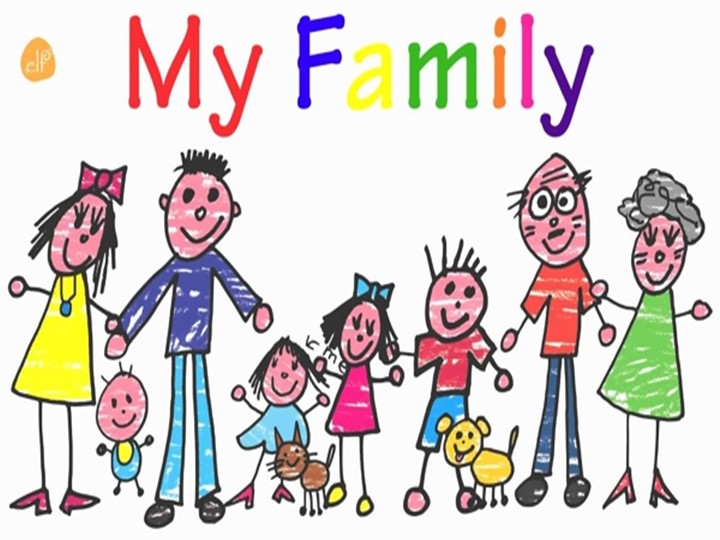
Презентация - "Введение новых слов "Family""
- Презентации / Другие презентации
- 1
- 06.03.25
Просмотреть и скачать презентацию на тему "Введение новых слов "Family""
Сайт klass-uchebnik.com предлагает качественные учебные материалы для школьников, родителей и учителей. Здесь можно бесплатно читать и скачивать современные учебники, рабочие тетради, а также наглядные презентации по всем предметам школьной программы. Материалы распределены по классам и темам, что делает поиск максимально удобным. Каждое пособие отличается логичной структурой, доступной подачей материала и соответствует действующим образовательным стандартам. Благодаря простому языку, наглядным схемам и практическим заданиям, обучение становится легче и эффективнее. Учебники подойдут как для ежедневной подготовки к урокам, так и для систематического повторения перед экзаменами.
Особое внимание стоит уделить разделу с презентациями - они становятся отличным визуальным дополнением к теории, помогают лучше понять сложные темы и удерживают внимание учащихся. Такие материалы удобно использовать в классе на интерактивной доске или при самостоятельной подготовке дома. Все размещённые на платформе материалы проверены на актуальность и соответствие учебной программе. Это делает сайт надёжным помощником в образовательном процессе для всех участников: школьников, учителей и родителей. Особенно удобно, что всё доступно онлайн без регистрации и в свободном доступе.
Если вы ищете надежный источник для подготовки к урокам, контрольным и экзаменам - klass-uchebnik.com станет отличным выбором. Здесь вы найдёте всё необходимое, включая "Введение новых слов "Family"", чтобы сделать обучение более организованным, интересным и результативным.

There is/ are

LEARNING NEW WORDS
Цель: 1. изучить новые слова;
2. использовать новые слова в предложении
3. повторить грамматику в упражнениях
Задачи: 1. проговорить слова и отработать произношение.
2. повторить грамматику (предлоги,there is/are)

- Granny, have I any cousins?"
- "Yes Benny! You have two."
- "Whose children are they? How old are they? Are they boys or girls?"
- "Not so many questions at once, please, Benny! Your cousins are: a five-year-old boy, Georgie, and a four-year-old girl, May. They are your Aunt Emily's children. They are in Canada now with their parents: your Aunt Emily, my daughter, and her husband, Mr. Thomas Brown."
- "In Canada? What's Canada, granny? Where is it?"
- "Canada is a far-away country. It is in the North of America."
- "In the North of America? Where is it? Is it as far as London?"
- "Oh, no Benny! It's much farther."
- "But, granny..."
- "Come along, my dearest. It's just the time for your midday milk."
Vocabulary notes
an only child - единственный ребенок
five-year-old- пятилетний
far-away- дальний, далекий
in the North- на Севере
as far as - так же далеко как
come along - пойдем
it's just the time - как раз пора
Make your own sentences using new words

Grammar. Sentences with there.
Prepositions of time
Для указания времени употребляются предлоги at, past, to, from, till.
e. g. Come at five o'clock. Go there at seven. The train arrives at seven thirty-two. It is half past two. It is a quarter to three. Leave your place at a quarter to six. He is at home from three till four.

I. a) compose as many sentences as you can. Give a short answer and add a sentence of your own with the
introductory there.
M o d e l : Is there any clock on your desk?,
There is. And there is also a lamp on it.
II. a) Write sentences using there is, there are and the words given below:
1. bus, street; 2. lamp, room; 3. chalk, blackboard; 4. bread, table; 5. tea, tea-pot; 6. coffee, coffee-pot; 7. money, bag; 8. paper, box; 9. soap, shelf; 10. water, jug.
III. a) Rewrite the following in the plural:
1. There is a sentence on the blackboard. 2. Is there a desk in the room? 3. There is not any book on the
table. 4. Is there a dictionary on the chair? 5. There is a match in the box. 6. There is a girl in the picture. 7.
There is no child in their family.
IV. a) Write the interrogative and negative forms of the following sentences:
1. There is a telegram on the table. 2. There is a cinema near our house. 3. There are many mistakes in his
dictation. 4. There is much paper in his bag. 5. There are two sofas in the room. 6. There are a lot of children in
the park today
V. Fill in prepositions: 1. Don't be late. Come ... nine o'clock. 2. What time is it now? It is half ... six. 3. We are going to leave ... a quarter ... ten. 4. It is twelve o'clock now. Come here in ten minutes, ten minutes ... twelve. 5. Is it a quarter ... three? In a quarter of an hour, ... three o'clock we must be ... the University. 6. He must work ... seven ... eleven o'clock. 7. They live ... the North ... our country.